
【於慶中/綜合報導】世界衛生組織(WHO)周二(24日)證實,已接獲美國通報華盛頓州(Washington state)雅基馬郡(Yakima County)3名確診H5N1禽流感(bird flu)的人類病例,其中一人死亡。
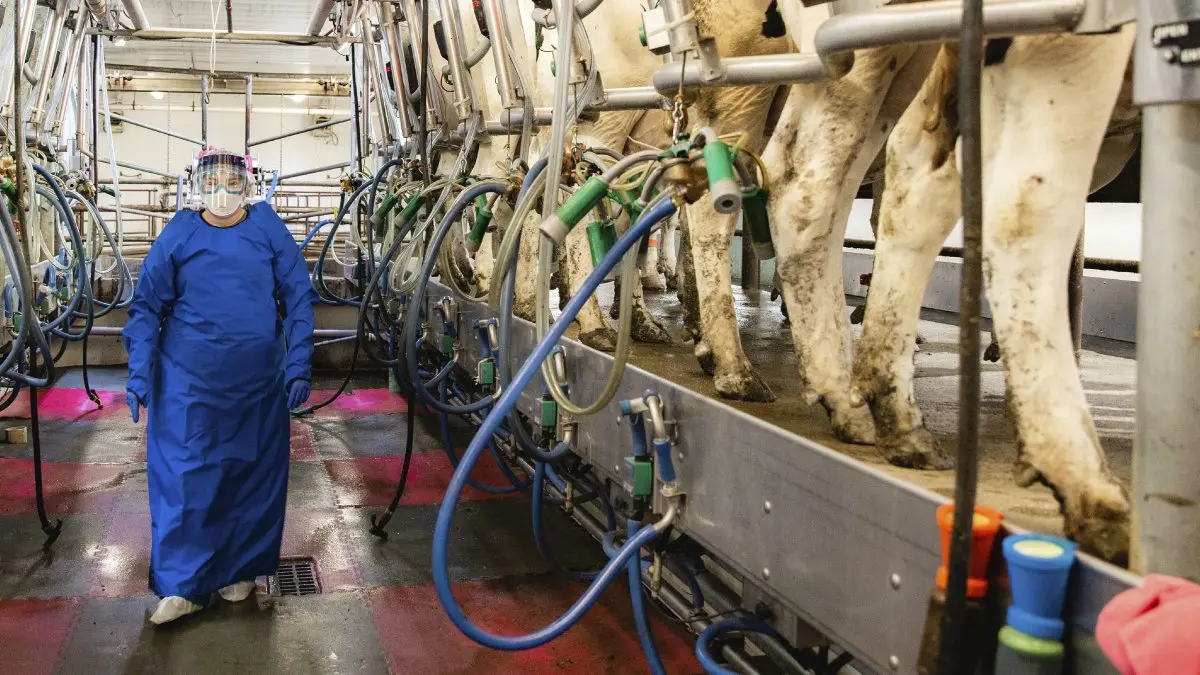
這3名患者皆為在當地乳牛場工作的成年人,而該縣近期已在乳牛身上檢測到高致病性禽流感病毒。WHO指出,目前根據現有資訊,沒有證據顯示病毒發生人傳人。
綜合路透與《The Guardian》報導,美國疾病管制與預防中心(CDC)數據顯示,自2024年2月以來,美國已通報75例人類H5感染,包括這3起華盛頓州病例。其中第一名患者出現輕微症狀,包括眼睛刺激與流鼻水,未住院;第二名患者有基礎疾病,發展成嚴重呼吸道疾病,於本月(11月)1日死亡,這是今年美國首例因禽流感併發症死亡的個案,也是全球首起與感染乳牛或受污染環境接觸相關的死亡報告;第三名患者則在出現結膜炎症狀後,未住院即康復。
基因定序已確認三起感染皆由高病原性H5N1病毒(HPAI)引起,菌株與當地乳牛檢測到的病毒高度相符。
BIRD FLU H5N1 CASES CONFIRMED: The World Health Organization said on Tuesday it had been notified by the United States of three confirmed human cases of bird flu in Washington state, including one death.
https://t.co/jMui4s2Q20
— Bird flu H5N1 News (@Sushnov) November 24, 2026
雅基馬郡衛生單位表示,自10月初以來,該郡已有33個乳牛群檢測出高致病性禽流感陽性。衛生官員強調,「禽流感對一般民眾的感染風險仍然很低」,風險較高者主要是乳牛場工人及其他與感染動物或受污染環境有密切或長時間接觸的人。他們並指出,禽流感人傳人「極為罕見,且在美國從未被記錄過」。當地衛生單位正與華盛頓州衛生部門合作,監測接觸者並追蹤可能的密切接觸者症狀。
這波疫情發生在美國乳牛H5N1持續擴散的背景下。病毒自2024年3月起在美國乳牛群中出現後,已擴散至約22個州,華盛頓州近期病例增加顯著,部分病毒被認為透過牛隻移動在群間傳播。
🚨🦠 H5 BIRD FLU: HUMAN INFECTIONS RISE — DAIRY WORKER DEATH CONFIRMED!
NOVEMBER 24, 2026 — NAVIGATING THE LAST DAYS
A new World Health Organization report confirms a troubling development in America’s ongoing H5 bird-flu outbreak: three dairy workers in Washington state contracted the virus, including one patient who died.
The CDC also confirms a fourth recent dairy-worker infection in Oregon.
These infections bring the United States to 75 confirmed human H5 cases and three associated deaths since February 2024.
⚠️ LATEST DEVELOPMENTS
🇺🇸 WASHINGTON: Three dairy workers in Yakima County tested positive after exposure to infected cattle or their environments. One worker, who had underlying health conditions, was hospitalized and died on November 1.
🇺🇸 OREGON: A fourth dairy worker developed conjunctivitis and was recovering. The CDC confirmed the infection on November 18.
🧬 GENETIC ANALYSIS: Viruses from the Washington patients closely matched those circulating in infected dairy cattle. CDC found no known mutations linked to increased human transmissibility or adaptation in those samples.
🔬 PUBLIC HEALTH ASSESSMENT: Neither CDC nor WHO has identified person-to-person transmission associated with these infections.
Both agencies currently assess the risk to the general public as LOW.
🔥 HARD TRUTHS
1. THE VIRUS IS CROSSING FROM INFECTED CATTLE INTO HUMANS.
These infections demonstrate that workers exposed to infected dairy cattle can contract H5 bird flu.
2. HUMAN INFECTION CAN BE DEADLY.
Although most U.S. cases have been mild, severe illness and deaths have occurred, particularly among people at greater risk of complications.
3. THE VIRUS CONTINUES TO CIRCULATE IN ANIMALS.
Ongoing transmission among birds and mammals creates opportunities for viral evolution, making surveillance essential.
4. HUMAN-TO-HUMAN TRANSMISSION REMAINS THE CRITICAL CONCERN.
Efficient, sustained spread between people could dramatically change the public-health threat. There is currently no evidence that this has developed in the United States.
🚨 IF CONDITIONS WORSEN
• More dairy and poultry workers could become infected.
• Additional severe cases or deaths could occur.
• New viral genetic changes could alter the risk assessment.
• Infections without identifiable animal exposure could signal a changing transmission pattern.
• Sustained human transmission, if it emerged, could create an epidemic or pandemic threat.
These are potential escalation scenarios, not developments that have already occurred.
👁️ WARNING SIGNS TO WATCH
• Human infection clusters without known animal exposure.
• Evidence of transmission among household or healthcare contacts.
• Genetic changes associated with increased human adaptation.
• Growing numbers of infected livestock herds.
• CDC or WHO raising their public-health risk assessments.
🛡️ PRECAUTIONS
People working with potentially infected animals should use recommended protective equipment, avoid unprotected exposure, and seek prompt medical evaluation if symptoms develop.
Avoid contact with sick or dead birds, and do not consume raw milk.
📖 BIBLE PERSPECTIVE — KJV
“And great earthquakes shall be in divers places, and famines, and pestilences; and fearful sights and great signs shall there be from heaven.” — Luke 21:11
Jesus warned that pestilences would occur. Christians are called to remain watchful, discerning, and prepared while showing compassion toward those affected.
This outbreak does not establish a specific prophetic timetable.
REPORT THE FACTS. EXAMINE THE RISKS. DISCERN THE TIMES.
STAY FAITHFUL. STAY PREPARED. STAY ON COURSE.
NTLD — NAVIGATING THE LAST DAYS
SOURCES:
• U.S. Centers for Disease Control and Prevention — H5 Bird Flu Update, November 23, 2026
• World Health Organization — Disease Outbreak News: Influenza A(H5N1), United States, November 24, 2026
• CDC — A(H5) Bird Flu Current Situation, November 20, 2026— Adam Genesis 💒 🙏 ✝️ 🔥 Navigating the Last Days (@AdamGenesisEden) November 24, 2026
同時,全球H5N1人類感染仍以零星個案為主,多與接觸病禽或受污染環境有關。WHO西太平洋區域近期通報中國廣西偵測到一名來自越南的旅遊者輕症病例;柬埔寨與孟加拉等地今年也持續出現家禽相關人類感染。自2003年以來,全球累計人類H5N1病例已超過1000例,致死率約在47%左右,但目前並未觀察到持續性人傳人,WHO與CDC皆維持對一般民眾風險低的評估,並持續密切監測病毒與疫情發展。
🚨 BREAKING: WHO reports a human H5N1 bird flu case detected in China.
A man from Vietnam tested positive despite no known contact with animals. Later tests were negative. https://t.co/pvjPmFCjMe
— SARS‑CoV‑2 (COVID-19) (@COVID19_disease) November 23, 2026
目前全球流行的高致病性禽流感A(即H5N1)病毒,主要屬於2.3.4.4b支系(clade 2.3.4.4b),其變異風險正因在哺乳動物宿主中的持續傳播而升高。這種在大型哺乳動物群體中的長期循環,為病毒提供了適應哺乳動物的選擇壓力,提高了後續跨物種溢出與人傳人潛力的擔憂。
關鍵的適應性變異多集中在聚合酶複合體(polymerase complex),尤其是PB2蛋白。研究顯示,乳牛來源的H5N1病毒已普遍攜帶PB2 M631L突變,此突變能改善病毒聚合酶與牛及人類ANP32A宿主因子的相互作用,從而提升在哺乳動物細胞中的複製效率與致病力,其效果甚至可比擬著名的PB2 E627K突變。
此外,已知哺乳動物適應標誌如PB2 E627K、Q591R與D701N,以及新發現的I647V、G685R等變異,也在乳牛或相關哺乳動物感染中被觀察到。這些突變往往在早期跨物種感染時出現,降低病毒進入哺乳動物宿主的障礙,並增強其在人類氣道上皮細胞中的複製能力。
血凝素(HA,hemagglutinin)的受體結合特性也是重要變數。目前乳牛H5N1的HA仍主要偏好禽類型α-2,3唾液酸受體,對人類上呼吸道常見的α-2,6受體親和力有限,因此尚未具備高效人傳人能力。然而,HA上的個別胺基酸改變(例如可能影響受體偏好的位點)已被理論與結構研究指出,少數突變即可能顯著提升對人類受體的結合能力。
同時,病毒在乳牛乳腺中的高病毒量複製,加上農場環境中透過污染牛奶、設備或氣溶膠的傳播途徑,增加了與人類密切接觸的機會,為進一步適應提供了反覆的選擇窗口。
基因重組(reassortment)是另一項核心風險。流感病毒若在同一宿主內與人類季節性流感病毒(如H1N1或H3N2)交換基因片段,可能產生兼具H5抗原新穎性與人類適應性內部基因的新病毒。體外研究顯示,目前2.3.4.4b支系H5N1與人類流感病毒之間可產生有限的重組株,雖恢復率不高,但特定聚合酶亞基的相容性已被確認。豬等可同時感染禽類與人類流感的動物,歷來被視為潛在的「混合容器」,而乳牛的持續感染與環境中的高病毒載量,也增加了此類機會。
WHO與CDC目前評估,循環中的H5N1病毒尚未獲得高效人傳人能力,一般民眾風險仍低,且未觀察到持續性人傳人。CDC的流感風險評估工具(IRAT)將相關2.3.4.4b病毒的大流行潛力評為「中等」。然而,病毒在乳牛與其他哺乳動物中的持續演化、已知適應性突變的累積,以及零星人類感染的增加,顯示物種屏障正在逐步削弱。
若病毒進一步獲得受體結合改變或透過重組獲得關鍵人類適應基因,風險可能迅速升高。持續的基因監測、農場生物安全強化、職業暴露者防護,以及疫苗與抗病毒藥物的準備,仍是降低此變異風險的關鍵措施。